 gb
gb
 Italy
Italy France
 Spain
Spain Portugal
 Poland
 Bulgaria
 Czech republic
 Slovakia
 Romania
 Turkey
 Lithuania
 Germany
 Montenegro
 Netherlands
 Serbia
 Switzerland
 Croatia
 Hungary
 Belgium
 Luxembourg
 Ireland
 Norway
 Denmark
 Brazil
 Argentina
 Colombia
 India
India China
China Hong Kong (China)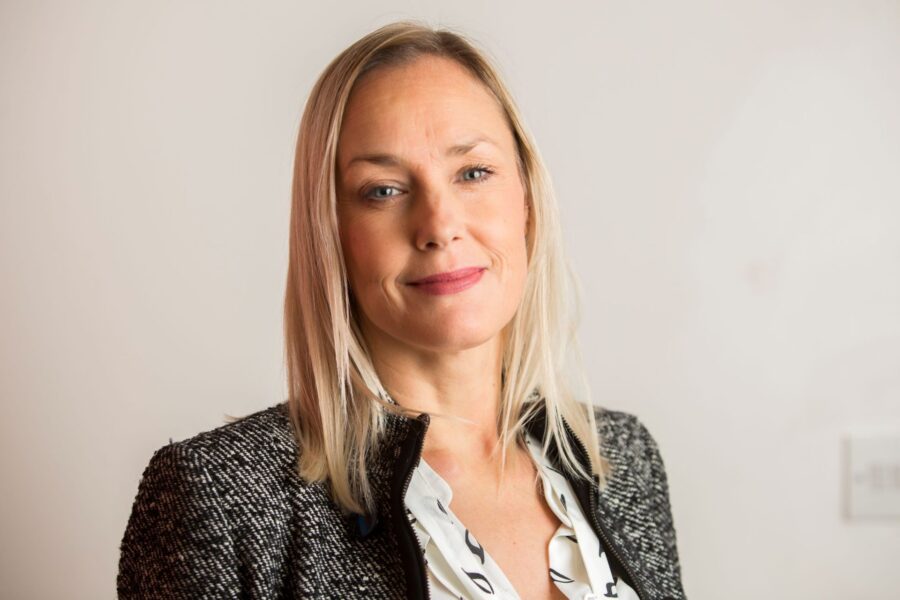
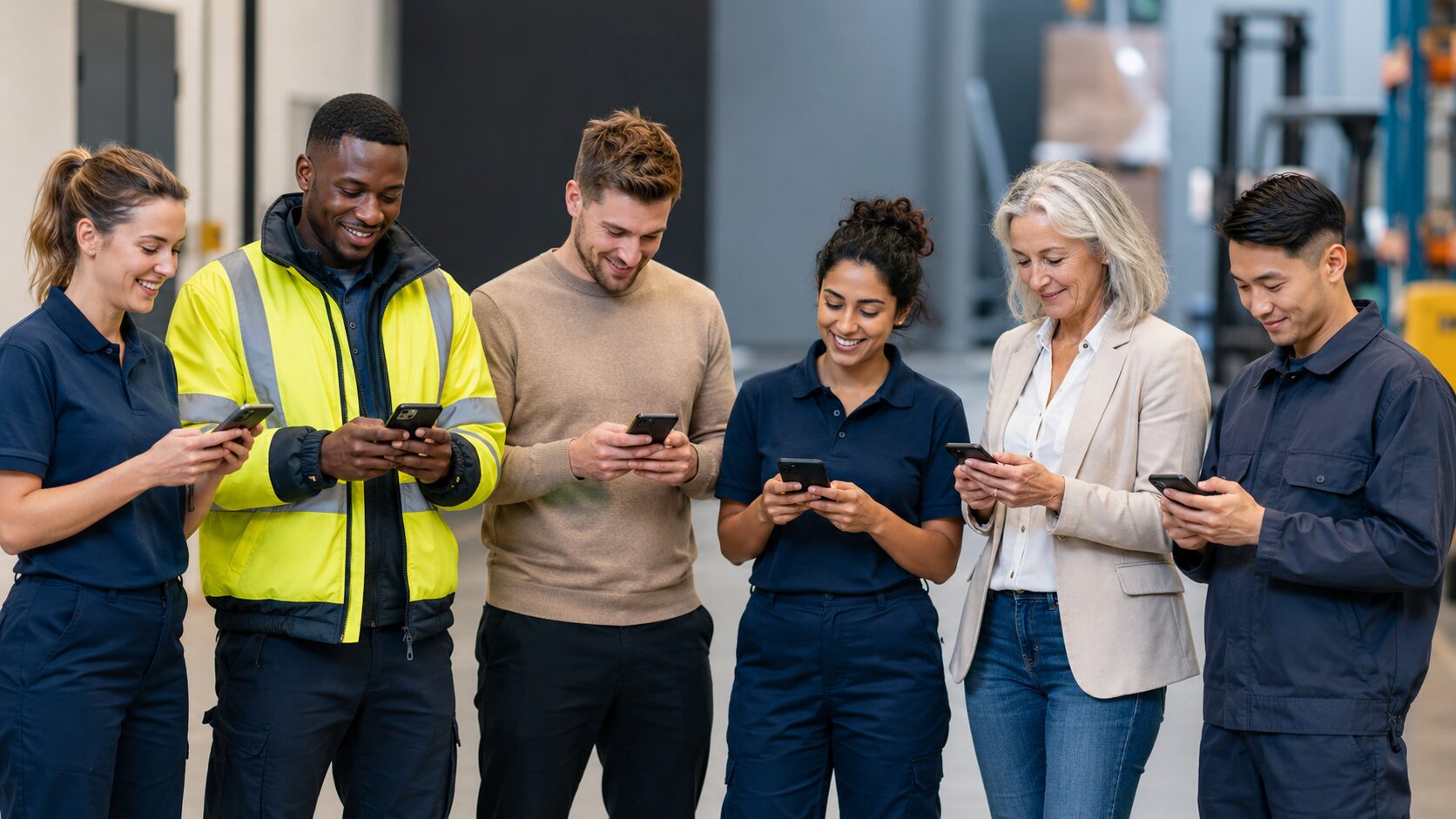
Employees from up to four different generations are now working side by side. This is being driven by more older people remaining in employment and higher numbers of young people entering the workforce through apprenticeships.
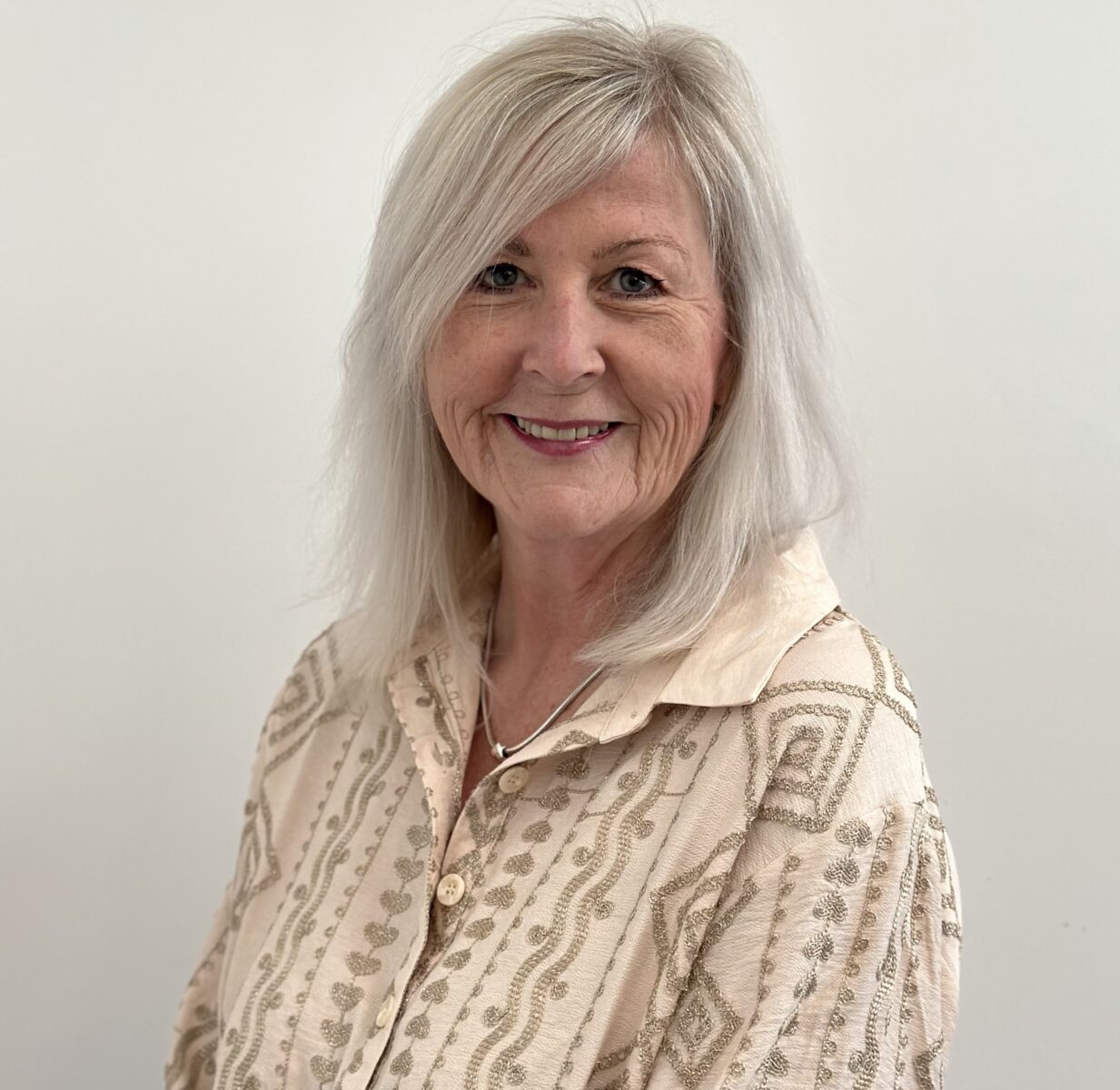
Cindy Gunn, Group Head of People at leading HR and recruitment specialist Gi Group UK, is urging HR teams to prioritise transparency when managing an age-diverse workforce.
Managing an age-diverse workforce
According to the most recent data from the Office for National Statistics, the UK employment rate for people aged 50 to 64 increased to 71.6%.
This marks a slight recovery from post-pandemic lows. However, it also remains a significantly high number.
Alongside this, apprenticeship starts increased by 11.9% to 226,620 between August 2025 and January 2026.
In addition, under-19s accounted for 23.6% of starts.
Cindy says workforces can benefit from different perspectives. However, an age-diverse workforce can also present challenges if it is not managed correctly.
“For the first time in history, many organisations are managing four distinct generations in the workforce,” said Cindy. “This means people with different communication styles, values and lived experiences are working in cohort with one another.
“What one generation might perceive as acceptable may be viewed as inappropriate or exclusionary by another. HR teams must work together to address issues and ensure that different age groups are educated on respectful communication.”
Transparency can help prevent workplace conflict
Market research leader WifiTalents found that 15% of employees experience microaggressions on a weekly basis.
Microaggressions can include verbal or non-verbal communication. They may be indirect, subtle or unintentional, but they can still discriminate against someone from a marginalised group.
Cindy continued: “It’s important to note that this type of discrimination may occur more in a multigenerational workforce. Often, it is a lack of communication and transparency that causes this to happen.
“People of different ages may not realise what they are saying is offensive to others. This can happen if it was previously seen as socially acceptable in their lifetime.
“Regardless, discrimination has no place in the workplace. That’s why we need to encourage open and honest conversations to create a safe environment.
“HR teams can also implement training to educate workers on unconscious bias and microaggressions. As a result, they can make an effort to prevent it from happening in the first place.”
Digital literacy across different generations
Aside from preventing conflict, digital literacy is another challenge for HR teams to navigate.
Gen Z and Gen Alpha are digital natives. They were born into an era where technology, such as smartphones and the internet, became an integral part of daily life.
According to the 2025 Ofcom Online Nations Report, young adults aged 18 to 24 spend the most time online. On average, they spend 6 hours and 20 minutes online each day.
However, people in the Baby Boomer and Gen X categories may not have grown up with these tools. As a result, they may feel less familiar with developments in technology.
Gi Group’s recent report, The Generational Equation, shows that 55% of Gen Z see AI as an opportunity. In comparison, only 43% of Baby Boomers agree.
Therefore, some workers may need more support and training when using new technologies.
Training is key for an age-diverse workforce
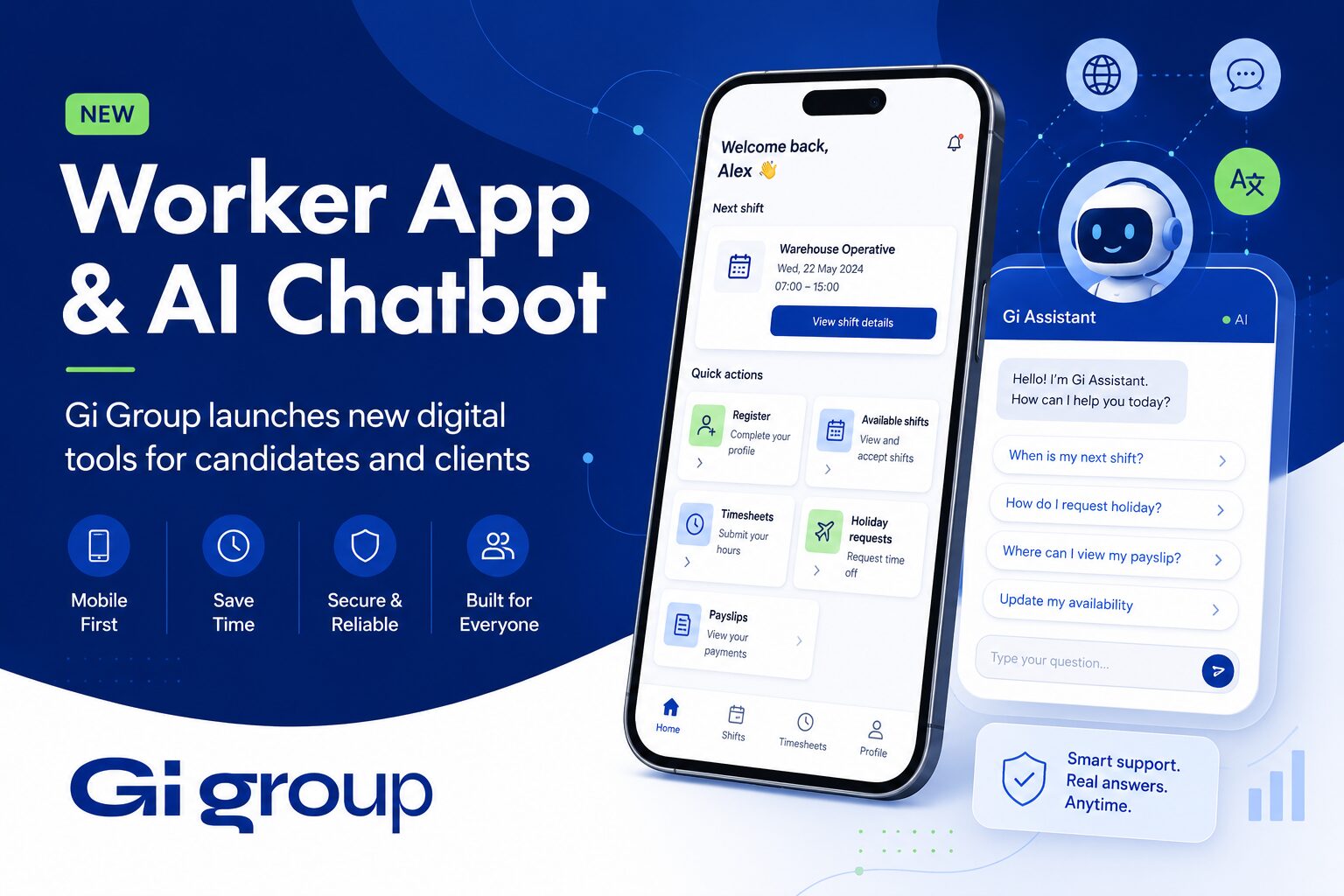
Cindy added: “With technology constantly moving forward, businesses are usually looking at utilising new digital tools. These tools can streamline processes and open doors to more opportunities.
“Despite this, HR teams need to acknowledge that not all generations might be familiar with the technology being introduced. It’s imperative to ensure everyone in the workplace is educated on how to use it.
“Our own research actually shows that while 89% of workers think continuous training is really important, only 57% of workers feel well supported in being upskilled and retrained.
“This is consistent across age groups. It shows the importance of implementing the correct training, openly speaking about upcoming changes and creating a collaborative workplace and tone.
“By doing this, we can empower employees to provide hands-on support to one another. This helps make sure everyone feels confident in best practice.”
Building a more inclusive multigenerational workplace
An age-diverse workforce can bring valuable experience, fresh ideas and different perspectives into a business.
However, employers need to manage this mix carefully. Clear communication, transparent decision-making and regular training can all help teams work more effectively together.
By encouraging open conversations, HR teams can reduce misunderstanding. They can also create a workplace where employees of all ages feel respected, included and supported.