 gb
gb
 Italy
Italy France
 Spain
Spain Portugal
 Poland
 Bulgaria
 Czech republic
 Slovakia
 Romania
 Turkey
 Lithuania
 Germany
 Montenegro
 Netherlands
 Serbia
 Switzerland
 Croatia
 Hungary
 Luxembourg
 Ireland
 Norway
 Denmark
 Brazil
 Argentina
 Colombia
 India
India China
China Hong Kong (China)
The Head of Learning and Development at one of the UK’s top recruiters is calling for resilience training to be added to the national curriculum.
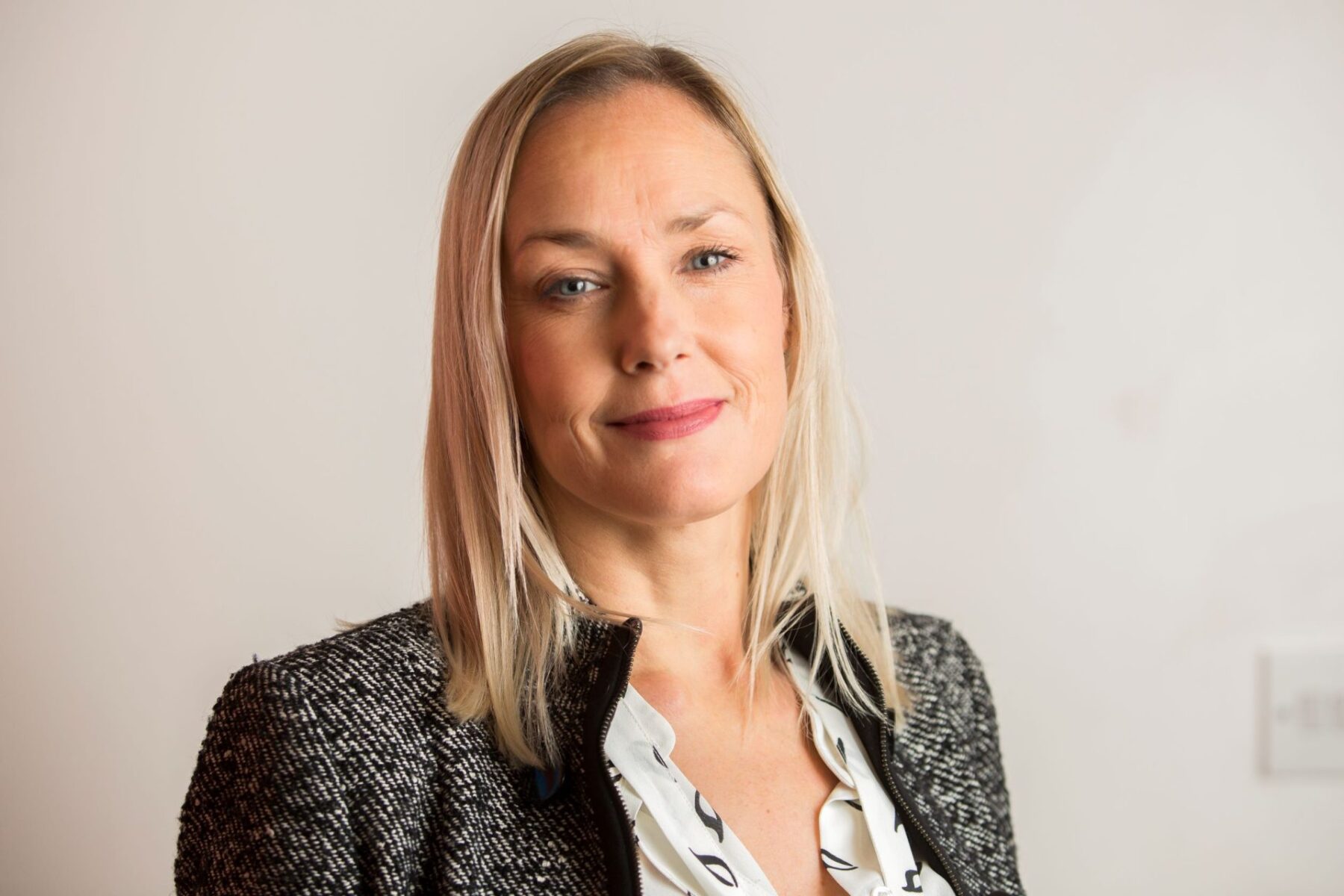
Emma-Louise Taylor, who works at leading recruitment and HR specialist Gi Group UK, says school-aged children need a better understanding of how their minds work under pressure. She believes this could play a critical role in longer-term workforce stability.
Her comments come amid a rise in young people being off long-term sick at work. They also follow growing concern around the number of young people not in education or training.
Resilience training could support young people earlier
Emma-Louise leads learning, development, equity, diversity and inclusion initiatives across Gi Group UK.
She believes current education systems place too much emphasis on academic achievement. However, she says they often overlook the human side of development, which is commonly known as softer skills.
“We need those core subjects of Maths and English, for example,” Emma-Louise said, “but understanding how our brains work, how we respond to stress and how we build resilience should also be basic learning requirements and we believe should be built into the national curriculum, with clear learning modules and outcomes in place.”
Mental health absence is affecting the workforce
Emma-Louise’s comments come as new research from Simplyhealth highlights the growing impact of mental ill-health on the workforce.
The study found that ill mental health is now the leading cause of long-term absence in the UK. It is also the second leading cause of short-term absence.
Nearly a third of employees, at 30%, reported experiencing depression or anxiety in the past year. In addition, a further 25% experienced stress or burnout.
Those impacted took an average of seven sick days annually.
Younger workers are also being affected
The data also reveals a stark picture among younger workers.
Around one in five 18 to 34-year-olds reported taking time off in the past year due to anxiety or depression. This accounted for 20% of respondents.
Similarly, 21% reported taking time off due to stress or burnout.
On average, those experiencing anxiety or depression took 5.5 days off work. Meanwhile, stress and burnout accounted for a further 3.8 days of absence.
Emma-Louise says these challenges could be addressed earlier in life through education.
“People often think stress or self-doubt is something we can fix later,” she said. “But these are natural human responses. If we taught young people why they feel this way, and what’s happening neurologically, they’d be far better equipped to manage it.”
Neuroscience-based resilience training at work
At Gi Group UK, Emma-Louise has already implemented neuroscience-based resilience training programmes.
These programmes are designed to help employees understand their emotional responses to change.
For example, the sessions explain concepts such as fight-or-flight responses. They also explore how subconscious triggers influence behaviour, especially during periods of transition or transformation.
“Rather than telling people, ‘don’t be stressed’, we explain why stress happens. It normalises the experience. From there, people can start to consciously challenge their reactions instead of operating on autopilot.”
Emma-Louise has also been at the forefront of embedding resilience mindset training into other DEI initiatives at Gi Group UK.
These include neurodiversity training, LGBTQIA+ resources and support aimed at women’s health during phases of life such as menopause.
“For me, it’s about proactivity rather than being reactive,” she said. “If people understand their triggers, they can anticipate challenges and manage them before they escalate. That’s where real resilience is built.”
Creating psychological safety and inclusion
Beyond formal training, Gi Group UK has introduced a range of initiatives to support psychological safety and inclusion across the business.
These include “Let’s Talk” webinars on topics such as confidence and imposter syndrome.
The company has also introduced a “Thrive Passport”. This allows employees to share personal preferences and needs with managers.
“When people feel safe and understood, they perform better,” Emma-Louise said. “They’re more innovative, more engaged, and more likely to stay. From a commercial perspective, reducing absence and improving productivity is a huge win for everybody in the business.”
Resilience training could benefit all age groups
It is not just younger workers who are being affected.
Simplyhealth’s data shows that around one in 10 people aged 35 to 54 reported taking time off for anxiety or depression in the past year. This accounted for 13% of respondents.
In addition, 10% reported taking time off for stress or burnout.
However, older workers tend to take significantly longer periods of absence. The average was 8.3 days off for anxiety and depression, and 8.5 days for stress or burnout.
Emma-Louise believes that embedding resilience training and emotional awareness into education could help change this trajectory.
“It’s not about saying everything will be fine. We need to understand ourselves better and move through challenges with confidence. It’s a skill everybody should have but I think the evidence shows we’re lacking education and guidance in these areas.”